As a dedicated advocate for environmental health and the parent of two nonverbal autistic daughters, I’ve come to deeply value the role we all play in creating a sustainable future. Living in Florida, a state of natural beauty and ecological significance, I see firsthand the challenges we face and the opportunities we have to build a healthier environment for future generations.
This isn’t just about one family or one community; it’s about our shared responsibility to protect the air we breathe, the water we drink, and the lands we cherish. Let me share why environmental health is critical, how it relates to Florida’s unique landscape, and the steps we can take together to create lasting change.
Why Environmental Health Matters
Environmental health is a cornerstone of wellbeing for every individual, but its importance becomes even more profound when considering vulnerable populations, such as children with special needs. These groups are often more susceptible to the adverse effects of environmental toxins due to factors like heightened sensitivity and unique developmental challenges. For example, air pollutants, including fine particulate matter and volatile organic compounds, can aggravate respiratory issues and contribute to developmental delays. Chemical contaminants, such as pesticides or heavy metals, may disrupt neurological development, especially in growing children. Studies have shown correlations between exposure to toxins and conditions such as autism spectrum disorder, emphasizing the need to minimize harmful environmental exposures.
In the case of my daughters, maintaining a clean toxic-free surrounding means reducing exposure to harmful chemicals in our household products, ensuring safe drinking water, and prioritizing healthy air quality both indoors and outdoors. These steps are vital for fostering their growth and creating an environment where they can reach their full potential. Beyond individual actions, there’s a societal responsibility to prioritize environmental health through regulations, community initiatives, and sustainable practices. Whether it’s supporting clean energy solutions to reduce air pollution or advocating for stricter controls on industrial waste, these collective efforts can significantly impact the health and development of vulnerable populations.
A world unburdened by environmental hazards is not just about creating a safer space, it’s about offering all children, adults, and animals the opportunity to thrive. This vision of sustainability and health must be a shared commitment among families, communities, and policymakers alike.
Florida’s Environmental Landscape
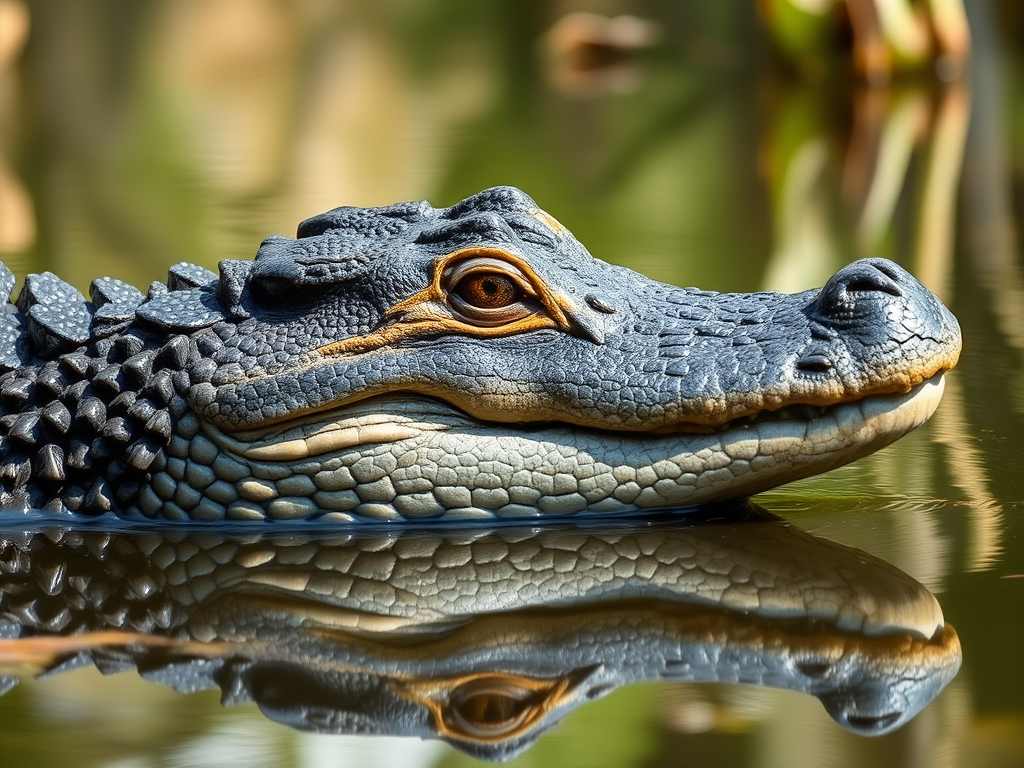
Florida is a state of unparalleled natural beauty, boasting ecosystems like the Everglades, vibrant beaches, and diverse wildlife. However, this delicate balance of nature is increasingly under threat due to human activity and environmental changes. Florida’s Water Quality Challenges, including Lake Okeechobee and its coastal estuaries, are facing significant challenges from nutrient pollution. This pollution, often stemming from agricultural runoff and urban development, fuels harmful algal blooms. These blooms not only devastate aquatic ecosystems but also pose risks to human health, as they can contaminate drinking water and release toxins into the air. The Everglades, known as the “River of Grass,” is particularly vulnerable, with its freshwater flow disrupted by decades of human intervention. Efforts to restore the Everglades are ongoing, but the battle against nutrient pollution remains critical.
Rising Sea Levels
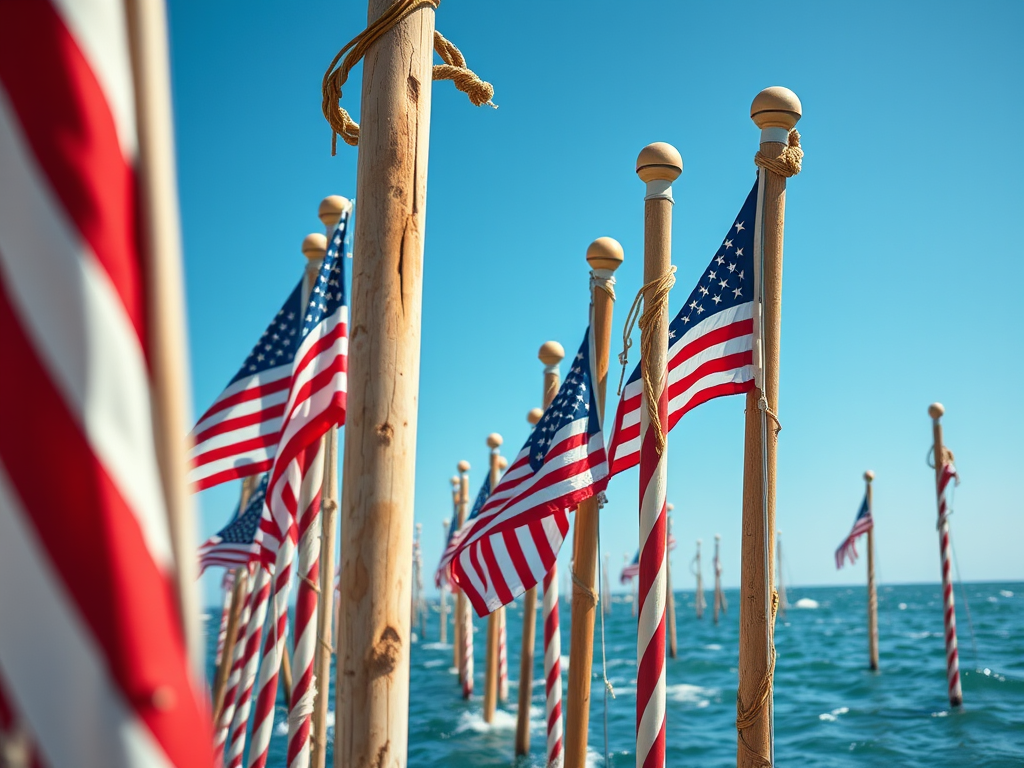
Furthermore ,Florida’s low elevation makes it especially susceptible to the impacts of climate change, including rising sea levels. Coastal communities, such as those in Miami and the Keys, are already experiencing flooding during high tides, a phenomenon known as “sunny day flooding.” By 2100, sea levels near Key West are projected to rise by as much as two meters. This encroachment of saltwater threatens not only human settlements but also the unique ecosystems of the Everglades, where saltwater intrusion is altering habitats and eroding land. Mangroves and other coastal vegetation play a vital role in buffering these effects, but their preservation requires concerted efforts.
Air Pollution Concerns
Urbanization and transportation are major contributors to localized air pollution in Florida. While the state generally meets national air quality standards, areas with dense populations and heavy traffic can experience elevated levels of pollutants. These pollutants not only affect human health but also contribute to broader environmental issues, such as climate change. Addressing air pollution requires a combination of cleaner energy sources, improved public transportation, and stricter emissions regulations. Florida’s natural wonders are a treasure worth protecting, but the challenges they face demand immediate and sustained action. From reducing agricultural runoff to advocating for climate-resilient policies, every effort counts. By working together, Floridians can ensure that the state’s beauty and biodiversity are preserved for generations to come.
Plant A Seed of Hope Gardening
One simple yet powerful way to contribute to environmental health is through gardening. In Florida’s year-round growing season, gardening offers immense opportunities to enhance sustainability.
Not only does gardening provide fresh produce, but it also supports local ecosystems and reduces our carbon footprint. By cultivating native plants and creating pollinator-friendly gardens, we can enrich biodiversity right in our backyards.
Here’s how to get started:
- Plant Florida Natives: These plants are adapted to the climate and require less water and maintenance.
- Compost: Turn food scraps into nutrient-rich soil, reducing landfill waste.
- Avoid Harmful Chemicals: Choose organic or natural methods for pest and weed control.
Together, we can make a difference in protecting Florida’s environment. Here are a few steps we can take:
- Conserve Resources: Fix leaks and start utilizing energy-efficient appliances for every day activities. For example, appliances such as the portable washer or dryer, these items specialize in the practice water conservation.
- Reduce Waste: Recycle, compost, and minimize single-use plastics. Recycling goes beyond separating plastics, metals, and paper. It’s crucial to recycle correctly to ensure items don’t end up contaminating recycling streams. Don’t have a recycle bin to get started. No worries, you can order one here.
- Support Green Initiatives: Advocate for policies that prioritize renewable energy, pollution control, and conservation. Switching to clean energy sources like solar, wind, and hydroelectric power is one of the most impactful green initiatives. In Florida, the Sunshine State, solar power presents a unique opportunity. Homeowners and businesses can support this initiative by installing solar panels, taking advantage of state and federal tax incentives, or simply advocating for renewable energy policies.
- Educate Others: Share information about the importance of environmental health and inspire collective action. Education is the foundation of any meaningful change, and when it comes to environmental health, spreading awareness is essential. By sharing knowledge and inspiring others to take action, we create a ripple effect that extends far beyond ourselves.
A Personal Commitment to the Future
For me, environmental advocacy is more than a cause, it’s a promise to my children and the dear planet we call home. Each choice we make, no matter how small, contributes to building a world where they can live with hope and dignity. Whether you start with a small garden, join a local cleanup, or advocate for broader change, your actions matter.
Let’s come together to create an environment that’s not just beautiful, but resilient and sustainable. What step will you take today for a healthier future? Let’s work hand in hand to protect what we hold dear.

Research Credits:
Everglades National Park: The Complete Guide
Welcome to Florida Department of Environmental Protection
Welcome to the Florida Keys | Official Tourist Development Website
 Earthy Elegance
Leave a comment